Gifts for Ham Radio Operators 2026: 25 Ideas by Budget
Twenty-five gifts an operator will actually use, sorted by what you want to spend, with the transceiver first and the bag of PL-259s last.
The short answer
The best gift for a ham radio operator who does not yet have an HF station is the Icom IC-7300, the 100 W base transceiver most operators end up with. For an operator whose station already works, an antenna analyzer, a dummy load or a coax switch gets used every week and fits any radio they own.
- Items
- 25
- Budget range
- Under $25 to under $2,500
- Fit any radio
- 19 of 25
- Verified in stock
- All 25
Ham radio gifts go wrong in two ways. Either they duplicate something already on the desk, or they add a feature nobody asked for while the real problem, the antenna that was never measured, the radio tested on the air because there is no dummy load, the two antennas fighting over one coax socket, keeps happening. This page is built to avoid both. Every item was checked against the live Amazon catalog, every tier is labelled, and nineteen of the twenty-five fit any radio the recipient owns. The big gift is the Icom IC-7300, because it is the HF station most operators end up with and the one they will not already own twice. Anything that transmits comes with one condition: check FCC license class requirements for the bands it covers before buying.
Every product link on this page is an affiliate link. We earn a commission if you buy, at no extra cost to you, and it does not change what is on the list. Full statement on the affiliate disclosure page.
Quick picks by budget
The top picks in each budget tier, biggest gift first. Each tier has its own section below with the full comparison.
| Budget | Pick | Best for |
|---|---|---|
| Splurge | Icom IC-7300 | The HF base station most operators end up with |
| Splurge | Icom IC-705 | All bands, all modes, 10 W, in a package that goes in a backpack |
| Under $400 | Yaesu FT-60R | The handheld that lasts |
| Under $400 | ATU-130 200 W automatic antenna tuner | An automatic tuner that matches a wire antenna in a second |
| Under $50 | XRDS-RF 100 W dummy load, 50 ohm | A 100 W dummy load, so a radio can be tested |
| Under $50 | Daiwa CS-201A two-position coax switch | A two-position coax switch that lets two antennas share one radio |
| Under $20 (stocking stuffers) | Nagoya NA-771C 15-inch whip | The 15 inch whip that is the single biggest upgrade to any handheld with an SMA |
| Under $20 (stocking stuffers) | Ham Radio For Dummies | The friendly introduction, for the newcomer or the family member who wants to |
Shipping note: Order early for the holidays; popular items sell out around Black Friday. Radios, tuners and power supplies ship in heavier boxes and can take longer to arrive, so leave extra time for those.
How do you buy for an operator without guessing wrong?
Three questions settle almost everything. Do they have an HF station? If not, the gift is a transceiver or the antenna to go with one, and the only decision is the budget tier below. Where do they operate? A shack operator wants a base radio, a meter and a headset; a portable operator wants the IC-705, the Chameleon antenna and a battery; a mobile operator wants the FT-891 and a mount. The four station builds on this site are those four operators, each with every line priced. What do they complain about? An antenna that never quite matched points at the analyzer. RF in the shack points at ferrites and a choke. A radio that drops out on battery points at the power tier.
One number decides most of the expensive gifts, and it is the power supply. A 100 W HF radio draws around 22 A on transmit, which is more than the supply in most shacks and never in the box with the radio. The power supply sizing calculator works out what a given radio needs, the power supply guide explains the linear versus switching choice, and the power supplies roundup names the one to add. If the recipient's station runs from a battery, the battery runtime calculator is the equivalent number.
The big gift: a transceiver, an antenna system or an analyzer, over $400
Six items, each a station-defining purchase. Three are transceivers for three kinds of operating, one is a portable antenna system, one is the instrument that makes every antenna measurable, and one is a headset for the operator who works long sessions. The table sorts them by the kind of recipient each suits, and the one big gift finder walks the decision in more depth if this does not settle it.
| Gift | Right for | Check before buying |
|---|---|---|
| Icom IC-7300 | A shack operator with no HF station yet | Needs a 25 A supply and an antenna. Check FCC license class requirements. |
| Icom IC-705 | A portable operator who works parks and summits | 10 W. Needs a battery and a portable antenna. Check FCC license class requirements. |
| Yaesu FT-891 | A mobile operator, or a small desk | 100 W in a small body. Runs hot on digital modes. Check FCC license class requirements. |
| Chameleon MPAS 2.0 | A portable operator whose antenna is the weak link | Fits any HF radio. Needs a tuner for some configurations. |
| RigExpert AA-650 Zoom antenna analyzer | An operator who builds antennas | Fits everything. Covers HF through 70 cm. |
| Heil Pro 7 headset microphone | A contester, net controller or long-session operator | Needs the adapter cable for their radio brand. |
The three transceivers are three ways of operating rather than three price points. The Icom IC-7300 is the base station, and the IC-7300 review and the IC-7300 versus FT-891 comparison explain what it gives up to the Yaesu FT-891 in a car and what it gains on a desk. The Icom IC-705 is the portable answer, and the G90 versus IC-705 comparison is honest about whether the extra money over the Xiegu is worth it for a given recipient. The beginner HF roundup and the portable HF roundup rank the whole field.
The RigExpert AA-650 Zoom antenna analyzer is the one gift in this tier that changes what the recipient can do rather than where. An antenna analyzer sweeps an antenna and shows where it resonates, which turns trimming a dipole from an afternoon of guessing into ten minutes of measurement, and the analyzers roundup explains why the RigExpert is the one to give over a NanoVNA for someone who does not want to learn a VNA. The Chameleon MPAS 2.0 is the antenna for the portable operator, and the MPAS 2 review covers the configurations. The Heil Pro 7 headset microphone is for the operator who works pileups for hours, and the headsets roundup lists the adapter cable each radio brand needs.

Icom
Icom IC-7300
The HF base station most operators end up with: a direct-sampling receiver, a real-time band scope and 100 W, at a price that has made it the default for a decade. For someone whose HF station is still a handheld and a wish.
Icom
Icom IC-705
All bands, all modes, 10 W, in a package that goes in a backpack and works from a battery. For the operator who talks about parks and summits more than about the shack. The most complete portable radio sold.

Yaesu
Yaesu FT-891
100 W of HF in a mobile-sized body, which makes it the radio for a car, a picnic table or a small desk. For an operator who wants full power without a base-station footprint.
Chameleon Antenna
Chameleon MPAS 2.0
A modular portable antenna that sets up as a vertical, a sloper or a dipole from one bag. For the portable operator whose radio is sorted and whose antenna is a compromise. The part of a field kit that decides the contacts.

RigExpert
RigExpert AA-650 Zoom antenna analyzer
An antenna analyzer that turns every antenna the recipient will ever build from a guess into a measurement. For the operator who builds wire antennas and has been adjusting them by SWR meter and patience.

Heil Sound
Heil Pro 7 headset microphone
A broadcast-grade boom headset for the operator who works pileups, contests or nets for hours. Takes the hand mic out of the loop and the shack noise out of the audio.
The mid tier: $50 to $400
This is where most successful ham radio gifts land, because every item here fixes a specific problem the recipient has already had. A handheld that survives, a tuner that matches in a second, a meter that reads forward and reflected at once, an analyzer for under $100, a multi-band wire, a digital interface and the antenna reference. Six of the seven fit any radio; the tuner needs a radio without one built in.
| Gift | Right for | Check before buying |
|---|---|---|
| Yaesu FT-60R | A newcomer, or anyone on a budget handheld | VHF and UHF. Check FCC license class requirements. |
| ATU-130 200 W automatic antenna tuner | An operator with a wire antenna and no automatic tuner | Check the radio does not already have an internal tuner. |
| Daiwa CN-501H cross-needle SWR and power meter | A base station without a permanent meter | HF and 6 m. Fits any radio. |
| NanoVNA H4 vector network analyzer | An operator who builds antennas and chokes | Fits everything. Steeper learning curve than a RigExpert. |
| JYR8010 8-band end fed half wave, 150 W | Anyone without an HF antenna | Needs one high support and a run of coax. Check FCC license class requirements before transmitting. |
| Digirig Mobile digital modes interface | An operator curious about FT8 and digital modes | Needs the cable set for their radio model. |
| ARRL Antenna Book, four-volume set | Anyone who builds or argues about antennas | Four volumes. Universal. |
The JYR8010 8-band end fed half wave, 150 W deserves a specific word, because it is the item most likely to put a recipient on HF for the first time. An end-fed half-wave needs one support point at the far end, a run of coax at the near end and nothing in between, which is why it is the first HF antenna for so many operators, and the first HF antenna guide and the wire antennas roundup cover where it goes and what it gives up to a dipole. The end-fed half-wave calculator shows the wire length for each band, and the wire antenna guide is the page to print and put in the box.
The ATU-130 200 W automatic antenna tuner and the Daiwa CN-501H cross-needle SWR and power meter are the two shack upgrades operators most often say they wish they had bought sooner. The manual versus automatic tuner comparison and the tuner basics guide explain what the tuner does and does not fix, and the SWR meters roundup is where the Daiwa wins. The NanoVNA H4 vector network analyzer is the analyzer for the recipient who wants to see the sweep, and the NanoVNA versus SWR meter comparison settles whether they need it. The Digirig Mobile digital modes interface is the gift for an operator curious about digital modes, and the FT8 guide is the page that goes with it.

Yaesu
Yaesu FT-60R
The handheld that lasts: a die-cast chassis and a receiver that stays usable next to commercial transmitters. For an operator still carrying a budget radio, or a newcomer whose first radio should be the last handheld they need.

VQP
ATU-130 200 W automatic antenna tuner
An automatic tuner that matches a wire antenna in a second and remembers the setting. For the operator with a multi-band wire and a manual tuner, or a radio with no tuner at all.

Daiwa
Daiwa CN-501H cross-needle SWR and power meter
A cross-needle SWR and power meter that reads forward and reflected power at once, with no button to press. The instrument that lives in line permanently on a base station.

AURSINC
NanoVNA H4 vector network analyzer
A vector network analyzer with a 4 inch screen for under $100. For the operator who builds antennas, chokes and filters and wants to see the sweep rather than infer it.

JYR
JYR8010 8-band end fed half wave, 150 W
An end-fed half-wave for eight bands with a 150 W transformer. The first HF antenna for a lot of operators, and the gift that puts a VHF-only shack on HF the day it arrives. Check FCC license class requirements for the bands before they transmit.

Digirig
Digirig Mobile digital modes interface
The interface that puts a radio on FT8, Winlink and every other digital mode with one cable to the computer. For an operator who has been curious about digital and has not sorted the audio.

ARRL
ARRL Antenna Book, four-volume set
The four-volume reference every antenna on this site is eventually checked against. For the operator who builds, or who argues about antennas on the air and wants to be right.
Under $50: what gets used every week
Below $50 the gifts stop being decisions and start being the parts a station is missing. All six fit any radio. The full budget list, with twenty items and the reasoning for each, is on ham radio gifts under $50; these six are the ones that earn their place on a flagship page.
| Gift | Right for | Check before buying |
|---|---|---|
| XRDS-RF 100 W dummy load, 50 ohm | Every station | 100 W. Fits any radio with an SO-239. |
| Daiwa CS-201A two-position coax switch | A shack with two antennas or two radios | Two positions. SO-239. |
| ARRL Handbook for Radio Communications | Anyone who wants to understand the radio | Revised annually. Universal. |
| Forester arborist throw line kit | Anyone with a wire antenna and a tree | Universal. |
| GOOZEEZOO 150 W end fed antenna transformer | An operator who wants to build their own EFHW | 150 W. Needs wire and a support. |
| Morse code practice key with buzzer | The operator who keeps meaning to learn Morse | Universal. |
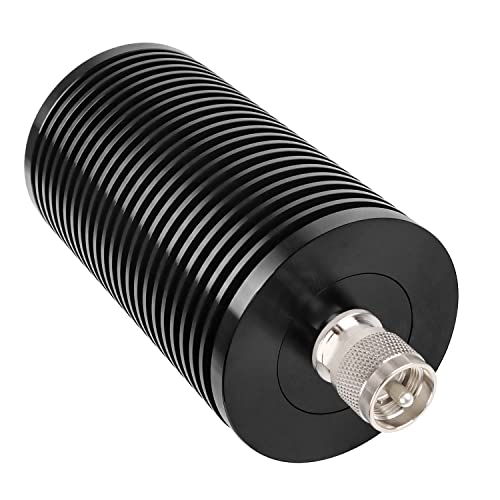
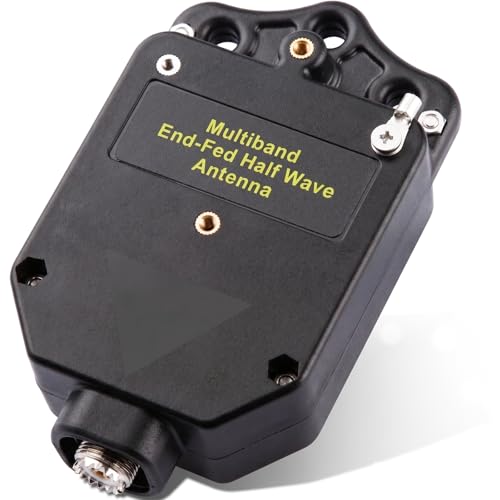
The XRDS-RF 100 W dummy load, 50 ohm is the item on this page that experienced operators will most appreciate not having had to buy themselves. A dummy load absorbs a transmitter's full power without radiating it, so a radio can be tested, tuned and troubleshot without going on the air; the dummy load versus SWR meter comparison explains why a station needs both. The GOOZEEZOO 150 W end fed antenna transformer is the cheapest way to build an HF antenna, and the baluns and chokes roundup is where it sits in the wider field.
XRDS-RF
XRDS-RF 100 W dummy load, 50 ohm
A 100 W dummy load, so a radio can be tested and tuned without transmitting on the air. The accessory every station should have and most do not.

Daiwa
Daiwa CS-201A two-position coax switch
A two-position coax switch that lets two antennas share one radio, or two radios share one antenna, with a turn of a knob. Solves a problem most shacks have.

ARRL
ARRL Handbook for Radio Communications
The reference for the whole hobby, revised every year. For an operator who wants to understand what the radio is doing rather than which button to press.

Forester
Forester arborist throw line kit
A throw line and weight for getting a wire antenna into a tree without a ladder. For anyone who has ever tied a rope to a wrench.
GOOZEEZOO
GOOZEEZOO 150 W end fed antenna transformer
A 49:1 transformer that turns a length of wire into an end-fed half-wave. The cheapest way to build an HF antenna, and the start of most homebrew antennas.

Dioche
Morse code practice key with buzzer
A key and a buzzer, for an operator who keeps saying they will learn Morse this year. The one gift that might actually make it happen.
Stocking stuffers under $20
Every item here fits every station and every one solves a problem that finds every operator. If you are adding to a bigger gift: connectors and tape with any antenna, the whip with any handheld, the ferrite with any radio that has ever made the shack lights flicker. The PL-259 guide shows what to do with the connectors, and the RF in the shack guide shows what to do with the toroid.
| Gift | Right for | Check before buying |
|---|---|---|
| Nagoya NA-771C 15-inch whip | Any handheld with an SMA connector | Check SMA male versus female for their radio. |
| Ham Radio For Dummies | A newcomer, or the family | Universal. |
| FT-240-31 ferrite toroid core | Anyone with RF in the shack | One core. Buy two or three. |
| 30 A quick-disconnect power connectors, 40-piece | Any 12 V station or field kit | 30 A. Needs a crimper. |
| PL-259 solder connectors with reducers, 6-pack | Everyone | Includes reducers for RG-8X. |
| Self-amalgamating rubber splicing tape | Anyone with an outdoor connector | Universal. |

Nagoya
Nagoya NA-771C 15-inch whip
The 15 inch whip that is the single biggest upgrade to any handheld with an SMA connector. Improves receive as well as transmit, for the price of lunch.

Wiley
Ham Radio For Dummies
The friendly introduction, for the newcomer or the family member who wants to understand what the operator is doing in there.

Fair-Rite type 31
FT-240-31 ferrite toroid core
One ferrite toroid, the core of a common-mode choke that fixes RF in the shack. Every operator needs a few and never has one when the problem appears.

smseace
30 A quick-disconnect power connectors, 40-piece
Forty 30 A quick-disconnect power connectors, the standard every emergency communications group and most field operators use for 12 V.

Fanbalunke
PL-259 solder connectors with reducers, 6-pack
Six PL-259 connectors with reducers. Nobody has enough, and every station builds its own jumpers eventually.

Maxwel
Self-amalgamating rubber splicing tape
Self-fusing tape for weatherproofing outdoor coax connectors. The difference between a feedline that lasts a year and one that lasts ten.
What to check before buying any of these
License class, for anything that transmits. Check FCC license class requirements for the bands a radio covers before buying it. The licensing hub on this site explains the classes and the study materials page covers the books, which are a legitimate gift in their own right for an operator heading for the next exam.
The power supply, for any 100 W radio. It is rarely in the box, and a 100 W transceiver on a 10 A supply is a radio that resets on every transmission. The power supply calculator gives the number, and the Astron RS-35M review is the supply this site recommends for a base station.
The connector, for antennas and whips. Handhelds use SMA male or SMA female depending on brand, and base antennas use SO-239 or N. It is on the listing page, and the handheld antennas roundup lists which brands use which.
The return window. A transceiver bought early in the gift season can fall outside a standard return window by the time it is opened, so check the extended holiday returns policy on the listing before ordering a big item in advance.
Matching the gift to how they operate
A newcomer wants the FT-60R, the whip and the programming cable, which is the Technician starter station. An operator going onto HF for the first time wants the wire antenna, the tuner and the meter, which is the first HF station. A shack operator wants the IC-7300, the Astron supply and the headset, which is the full HF base station. A portable operator wants the IC-705, the Chameleon and a LiFePO4 battery, which is the portable field kit. If you know which of those describes the recipient, the right tier on this page follows directly, and if you do not, the gift finder asks the questions that sort it out.
Common questions
Questions people ask about this
What is the best gift for a ham radio operator who already has a station?
Something that measures or protects rather than transmits. An antenna analyzer turns every antenna they build from a guess into a measurement, a dummy load lets them test without going on the air, and a coax switch fixes the one-radio-two-antennas problem almost every shack has. None of those depend on which radio they own. If the budget is bigger, the Icom IC-7300 is the HF base station most operators end up with anyway.
Do I need to know their license class before buying a radio as a gift?
Check FCC license class requirements for the bands the radio covers before buying any transmitter. Handhelds and mobiles for VHF and UHF and HF transceivers cover different bands, and the licensing hub on this site explains the classes. Accessories, antennas, meters, analyzers, books and power gear do not transmit, which makes them the safer gift if you are unsure.
Is an HF antenna a good gift, or too specific to their setup?
A multi-band end-fed half-wave is one of the safest HF gifts there is, because it needs one support point, a length of coax and nothing else, and it covers most of the HF bands from one wire. A vertical or a Yagi depends on the space and the mast the recipient has. The dipole length calculator and the first HF antenna guide on this site show what will fit a given yard.
What is a dummy load and why is it on every list?
A resistor that absorbs a transmitter's full power without radiating it, so the operator can test, tune and troubleshoot a radio without transmitting on the air. Every station should have one and most do not, because it is not exciting to buy. A 100 W load costs under $50, lasts forever, and is the accessory an experienced operator will most appreciate not having had to buy themselves.
Which gifts fit any radio, regardless of brand?
Antennas with a standard SO-239 or SMA connector, coax and connectors, SWR meters, dummy loads, coax switches, analyzers, power connectors, ferrites, books and headsets with a standard adapter. Things that do not: programming cables, which are model specific, replacement batteries, and hand microphones, which use different connectors between brands. If you do not know the radio, stay on the first list.
What should I put in the box with a big radio gift?
For an HF transceiver, a dummy load, a run of coax with connectors and a pointer at the power supply sizing calculator, because a 100 W radio needs a 25 A supply that is rarely in the box. For a handheld, a 15 inch whip and a genuine programming cable. For an antenna, a throw line and dog-bone insulators. Each is under $50 and turns the box into a working station.
Keep going
Related on this site
- Ham radio gifts under $50 Twenty items every operator uses, all under the line.
- The one big ham radio gift Eight big-ticket pieces matched to how they operate.
- Power supply sizing calculator Run it before gifting any 100 W radio.
- The four complete station builds Every line priced, with a stated total.
Disclaimer Researched guidance for planning purposes, not professional engineering, electrical or legal advice. Antenna work, RF exposure, mast and tower work, grounding and battery handling all carry real risk that depends on your specific site and installation. Verify anything safety-critical against current FCC rules, the National Electrical Code and the manufacturer's own documentation, and hire a professional where the job calls for one. We research equipment from published specifications, regulatory documents and verified owner reviews rather than claiming hands-on testing we have not done.