Handheld versus mobile versus base for VHF and UHF
The difference between these three is mostly the antenna, not the radio.
The short answer
A handheld runs 5 W into a short antenna at hip height and reaches the repeaters that are close or high. A mobile runs 50 W into a roof antenna on a moving ground plane and reaches most repeaters in a region. A base station runs the same 50 W into a gain antenna on a mast, and the height is what makes it the most capable of the three.
- Handheld power
- 5 W typical
- Mobile power
- 50 W typical
- Base power
- 50 W typical
- Handheld antenna gain
- Negative
- Base antenna gain
- 6 to 8 dBd
- What decides range
- Antenna height
People compare these three by power, and power is the least important difference. A handheld at 5 W and a mobile at 50 W differ by 10 dB, which is meaningful. The antenna difference between a rubber duck at waist height and a gain vertical at 30 ft is considerably larger, and the height difference larger still, because VHF propagation is essentially line of sight with a small bonus.
Understanding that changes what you buy and in what order. It is also why the first upgrade to any handheld is an antenna and not a radio.
What each format really is
- Handheld
- Five watts, a battery, and an antenna that is a compromise by definition because it must be short enough to carry. A quarter wave on 2 metres is 19 in, so a stock rubber duck is a heavily loaded antenna with negative gain. Its advantages are that it is in your pocket and that it works when the mains is off. A Yaesu FT-60R or a Baofeng UV-5R are the two ends of the price range.
- Mobile
- Fifty watts into a proper quarter or half wave antenna mounted on a large steel ground plane, moving to wherever the signal is better. The vehicle body is a genuinely good ground plane, and a roof mounted whip is a real antenna rather than a compromise. A Yaesu FTM-150R ASP or AnyTone AT-778UV covers this.
- Base
- The same 50 W radio and supply, feeding a gain vertical on a mast. Height is what makes it different, and height is what VHF rewards. A Diamond X50A dual-band base antenna at 30 ft with decent coax will work repeaters a handheld cannot hear from the same address.
The numbers that matter
Format comparison
What each configuration actually delivers
| Factor | Handheld | Mobile | Base |
|---|---|---|---|
| Power out | 5 W | 50 W | 50 W |
| Antenna gain | -3 to 0 dBd | 0 to 3 dBd | 6 to 8 dBd |
| Antenna height | About 4 ft | About 6 ft | 20 to 50 ft |
| Feedline loss | None | 0.5 dB | 1 to 3 dB |
| Effective radiated power | About 2.5 W | About 80 W | About 200 W |
| Typical repeater range | 5 to 15 miles | 25 to 50 miles | 30 to 70 miles |
| Cost of the format | $25 to $350 | $200 to $500 | $400 to $800 |
The effective radiated power row is what a distant station actually experiences, and it shows the handheld at roughly one thirtieth of the mobile. Range figures assume typical terrain and a repeater at reasonable height. Work out your own with the VHF range calculator and the ERP calculator.
The upgrade order
- Replace the handheld antenna. A Nagoya NA-771C 15-inch whip or Diamond SRJ77CA whip roughly doubles usable range for a small amount of money. Nothing else on this list is as cost effective.
- Get any antenna outside and up. Even a modest vertical on a gable end beats the best handheld antenna indoors, by a wide margin.
- Add a mobile radio. Fifty watts into a roof antenna is the format that makes VHF genuinely useful for daily operation.
- Build the base station. Same radio, a power supply and a gain antenna as high as your property allows.
- Improve the feedline. At 144 MHz, cable loss is real. See coax compared.
- Only then, a better radio. A better receiver genuinely helps in a high-interference area and helps very little anywhere else.
Three complete answers
Three tiers
Pick by how you will actually use it
These are three different jobs rather than three price points.
Carrying a radio, emergency use, club events

Yaesu
Yaesu FT-60R
A die-cast chassis and a receiver front end that stays usable near commercial transmitters, which is where cheap handhelds fall apart. Add a gain whip and it covers everything a handheld can reasonably cover.
- Power 5 W
- Memories 1000
Tradeoff
Five watts and a short antenna is a fundamental limit no radio quality fixes.
Daily driving, and doubling as a base station

Yaesu
Yaesu FTM-150R ASP
Fifty watts, a detachable head that fits a modern dashboard, and a receiver that copes with a busy band. Add a supply and a roof antenna and the same radio is your base station.
- Power 50 W
- Head Detachable
Tradeoff
Needs a proper power feed and a mount, so installation is a real job.
The station that stays at home

Diamond Antenna
Diamond X50A dual-band base antenna
The antenna is what makes a base station a base station. A dual-band gain vertical on a mast turns marginal repeaters into daily ones, and it improves receive as much as transmit.
- Gain 6.0 / 8.0 dBi
- Length About 5.6 ft
Tradeoff
Needs a mount, a mast, decent coax and grounding at the entry point.
Filling out each format
Supporting parts
Antennas, mounts, supplies and the cable that connects them.

Nagoya
Nagoya NA-771C 15-inch whip
The single most cost effective upgrade any handheld owner can make.
Check priceUnder $25
Comet
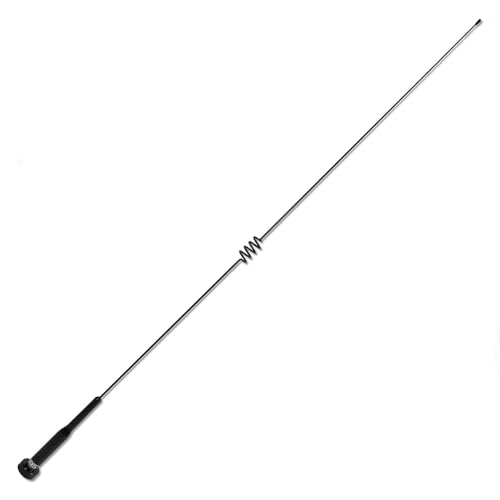
Comet SBB-5NMO dual-band mobile antenna
A dual-band NMO mobile whip with real gain on 70 cm, on the standard professional mount.
Check priceUnder $100
Skywalker
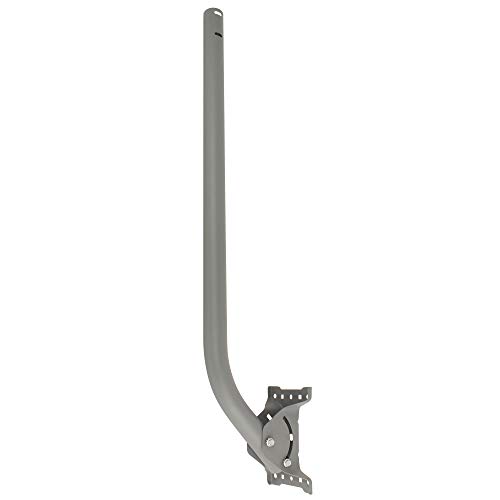
Skywalker J-pipe antenna mount, 38 in
A gable end mount reached from a ladder, which avoids walking on the roof entirely.
Check priceUnder $50

Bolton Technical
Bolton400 low-loss coax, 100 ft with PL-259
Low-loss coax, which at 144 MHz is worth more than any radio upgrade on a long run.
Check priceUnder $250

Powerwerx
Powerwerx SS-30DV desktop power supply
A 30 A supply to run the mobile radio as a base station, with headroom for an HF radio later.
Check priceUnder $250

Baofeng
Baofeng UV-5R 3800 mAh USB-C battery, 2-pack
An extended pack that turns a handheld from a weekend radio into an all-day one.
Check priceUnder $25

Baofeng
Baofeng BF-850 speaker mic
A speaker microphone, which improves audio and keeps the antenna away from your head.
Check priceUnder $25
Proxicast
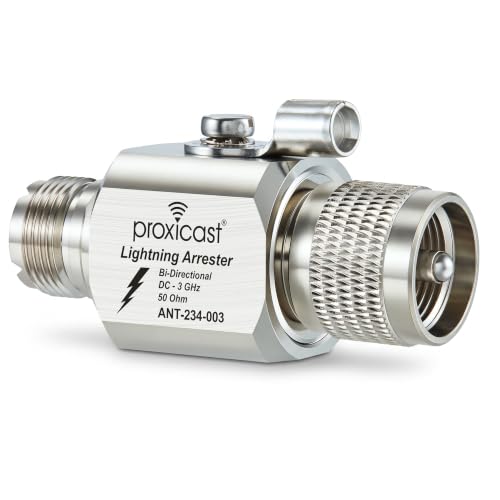
Proxicast ProGrade coaxial lightning arrester, PL-259 / SO-239
An arrester at the entry point, because a base antenna on a mast is the highest point on the property.
Check priceUnder $25
Common questions
Questions people ask about this
Is a 50 watt mobile ten times better than a 5 watt handheld?
In power terms it is 10 dB, a little under two S units. In practice the difference is larger because the mobile also has a real antenna on a steel ground plane rather than a heavily loaded short whip at waist height. Adding up power, antenna gain and height, a mobile typically delivers around thirty times the effective radiated power of a handheld.
Can I use a mobile radio as a base station?
Yes, and it is the most common way people build a VHF base. You need a 12 V power supply rated for the transmit current, around 20 A for a 50 W radio, plus a roof or mast antenna and coax. The radio is identical. Many operators buy the mobile first, run it as a base, and move it to the car later.
What is the best upgrade for a handheld?
The antenna, without any competition. A gain whip in place of the stock rubber duck roughly doubles usable range for the price of a takeaway, and an outdoor antenna on the roof with a short coax run transforms the same radio entirely. Buying a more expensive handheld before upgrading the antenna is the classic misallocation.
Why does my handheld work outside but not inside the house?
Building materials attenuate VHF and UHF significantly, and a handheld has no margin to spare. Foil-backed insulation, metal roofing and modern low-emissivity glass are particularly effective at blocking signals. The cure is an outdoor antenna. Even a modest vertical on the gable end, fed with short coax, changes the radio completely.
Do I need a base station if I have a mobile?
Not as a separate radio. What a base station adds is antenna height, and you can get that by feeding a roof mounted vertical from the same mobile radio on a bench supply. If the radio is permanently in the car, a second radio for the house is convenient rather than necessary, and the money is better spent on the antenna and the mast.
Keep going
Related on this site
Disclaimer Researched guidance for planning purposes, not professional engineering, electrical or legal advice. Antenna work, RF exposure, mast and tower work, grounding and battery handling all carry real risk that depends on your specific site and installation. Verify anything safety-critical against current FCC rules, the National Electrical Code and the manufacturer's own documentation, and hire a professional where the job calls for one. We research equipment from published specifications, regulatory documents and verified owner reviews rather than claiming hands-on testing we have not done.